
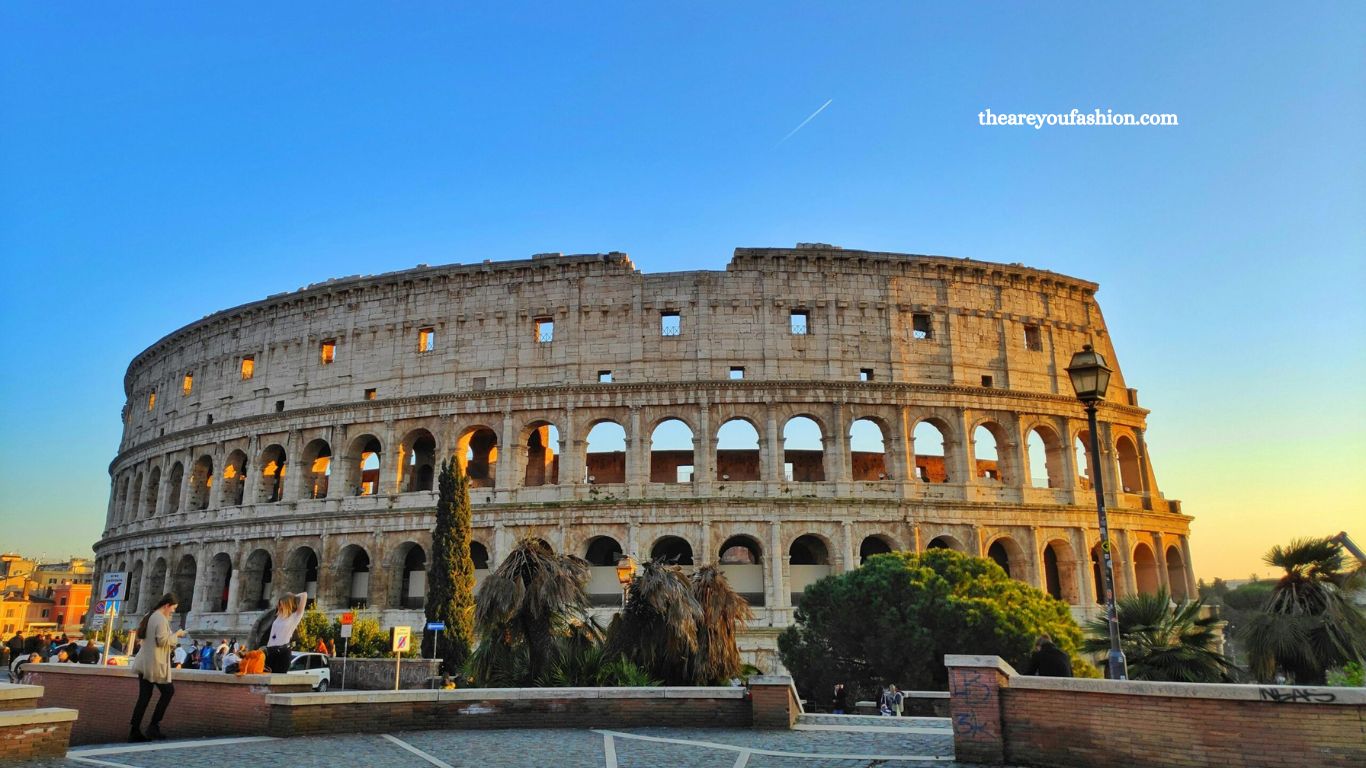
Europe is home to a wealth of historical sites that showcase its rich and diverse heritage. The Acropolis in Athens and Rome’s Colosseum highlight the architectural brilliance of ancient civilizations. Versailles Palace and St. Peter’s Basilica reflect the grandeur of France and Italy’s opulent eras. Stonehenge offers a glimpse into prehistoric times, while Spain’s Alhambra Palace showcases Islamic artistry.
The Roman Forum stands as a symbol of Rome’s political and cultural influence. Sites like Auschwitz-Birkenau and Hagia Sophia tell powerful stories of human resilience and spiritual transformation. Visiting these landmarks allows travelers to connect with Europe’s past through art, architecture, religion, and pivotal moments that shaped the world.
Historical Sites to Visit in Europe
Europe is a continent steeped in history, where every stone, arch, and monument tells a story of civilizations past. From ancient ruins to Renaissance masterpieces, Europe’s historical sites offer travelers a unique window into art, culture, and human ingenuity. Here’s a guide to some of the continent’s most iconic landmarks that you cannot miss.
Read More: Must-Visit Historical Sites in France: A Journey Through Time
St. Peter’s Basilica, Vatican City
St. Peter’s Basilica stands as one of the most significant architectural and spiritual marvels in the world. Located in Vatican City, this Renaissance masterpiece was shaped by the genius of Michelangelo, Bramante, and Bernini. Its colossal dome dominates the skyline, symbolizing Christian faith while offering panoramic views of Rome. Inside, visitors are greeted by intricate mosaics, awe-inspiring sculptures, and Michelangelo’s legendary Pietà. Beneath the basilica lie the Papal Tombs, providing a glimpse into the history of the Catholic Church. Outside, St. Peter’s Square hosts historic events and draws countless pilgrims, making it both a spiritual and cultural epicenter.
Doge’s Palace, Venice
The Doge’s Palace is a prime example of Venetian Gothic architecture, gracefully sitting along the Grand Canal in Venice. Once home to the Doge of Venice and the city’s government, it symbolizes Venice’s wealth, power, and maritime legacy. Visitors are mesmerized by its ornate façades, elegant arches, and intricate tracery. Inside, lavish chambers feature artwork by masters like Tintoretto and Veronese. The Bridge of Sighs, connecting the palace to the historic prisons, adds a layer of mystique and melancholy. A visit to the Doge’s Palace is a journey through Venetian history, revealing the grandeur and intrigue of a bygone era.
Acropolis of Athens, Greece
Perched atop a rocky hill, the Acropolis of Athens represents the pinnacle of ancient Greek civilization. The Parthenon, a Doric temple dedicated to Athena, dominates the site with majestic columns and exquisite sculptures. Nearby structures, including the Erechtheion and Propylaea, complement this architectural ensemble. The Acropolis embodies the ideals of art, philosophy, and democracy, serving as a cultural cornerstone that shaped Western thought. Its timeless beauty and historical significance attract visitors worldwide, offering an inspiring journey into the achievements of ancient Greece.
The Colosseum, Rome
The Colosseum is an iconic symbol of ancient Rome and a testament to Roman engineering prowess. Completed in AD 80, this monumental amphitheater once hosted gladiatorial contests, mock naval battles, and public spectacles. Its elliptical structure, towering tiers, and complex corridors showcase the ingenuity of Roman architects. Today, the Colosseum remains a UNESCO World Heritage site, drawing millions of visitors who marvel at its grandeur and historical resonance. Walking through its corridors, one can almost hear the echoes of ancient cheers and imagine the vibrant life of the Roman Empire.
Stonehenge, England
Stonehenge, located on England’s Salisbury Plain, is one of the world’s most mysterious prehistoric monuments. Constructed around 2500 BC, it consists of massive standing stones arranged in a circular pattern. Scholars speculate that it served as an astronomical observatory, ceremonial site, or religious landmark. The methods used to transport and erect these enormous stones remain a fascinating puzzle. As a UNESCO World Heritage site, Stonehenge continues to captivate visitors, connecting modern observers to the rituals and beliefs of ancient societies.
Machu Picchu, Peru
Although not in Europe, Machu Picchu is a historical marvel that often features in global heritage discussions. Nestled in the Andes Mountains, this 15th-century Incan citadel is renowned for its precise stonework and harmonious integration with the natural landscape. Thought to be a royal estate or spiritual retreat, Machu Picchu exudes mystery and cultural depth. Visitors can explore its terraced fields, temples, and panoramic views, all reflecting the ingenuity of the Inca civilization. This UNESCO World Heritage site is a testament to human creativity and resilience.
Roman Forum, Rome
The Roman Forum was the beating heart of ancient Rome, hosting markets, political events, and religious ceremonies. Surrounded by ruins of grand temples, arches, and government buildings, it offers a vivid glimpse into Rome’s civic life. Structures like the Temple of Saturn and the Arch of Septimius Severus stand as reminders of the city’s rich past. Walking through the Forum allows visitors to imagine speeches by Cicero and witness the rise and fall of emperors. It is an open-air museum that brings history vividly to life.
Versailles Palace, France
The Palace of Versailles epitomizes the grandeur and extravagance of the French monarchy. Built by Louis XIV in the 17th century, it features Baroque architecture, ornate interiors, and meticulously designed gardens. The Hall of Mirrors, adorned with glittering chandeliers and reflective surfaces, was the setting for crucial historical events. Versailles symbolizes the absolute power of the Bourbon monarchy while offering visitors a glimpse into a life of opulence and diplomacy. Today, it remains a UNESCO World Heritage site and a cultural emblem of France.
Eiffel Tower, Paris
The Eiffel Tower, completed in 1889 by Gustave Eiffel for the World’s Fair, is an enduring symbol of Paris and modern architecture. Its towering iron structure offers breathtaking views from three observation decks, overlooking landmarks like Notre-Dame Cathedral and the Seine River. Beyond its structural innovation, the tower has become a cultural icon celebrated in art, literature, and film. Romantic, majestic, and instantly recognizable, the Eiffel Tower continues to draw millions of visitors each year.
The Parthenon, Athens
The Parthenon, the crowning jewel of the Acropolis, exemplifies the zenith of classical Greek architecture. Built in the 5th century BC to honor Athena, it features Doric columns, intricate friezes, and elaborate sculptures. Though centuries of history have weathered its structure, the Parthenon’s spirit endures as a symbol of artistic and cultural achievement. A UNESCO World Heritage site, it continues to inspire admiration for ancient Greek creativity and philosophy, captivating travelers from around the globe.
Experiencing Europe’s Timeless Legacy
Europe’s historical sites offer more than just sightseeing—they provide immersive journeys into the achievements, struggles, and creativity of civilizations that shaped the world. From the architectural wonders of ancient Greece and Rome to the opulent palaces of France and Italy, these landmarks allow travelers to witness history firsthand. Visiting these sites connects us to the past, offering lessons in culture, art, religion, and human resilience that remain relevant today.
Whether wandering through the grandeur of St. Peter’s Basilica, tracing the steps of Venetian rulers at the Doge’s Palace, or marveling at the enigmatic stones of Stonehenge, each destination tells a unique story. Europe’s rich tapestry of historical sites is a living classroom, inviting exploration, reflection, and inspiration. For any traveler seeking to understand the roots of modern civilization, these landmarks are indispensable stops on a journey through time.
Frequently Asked Questions
What are the must-visit historical sites in Europe?
Some of Europe’s top historical sites include St. Peter’s Basilica, the Colosseum, the Acropolis, Versailles Palace, and the Doge’s Palace.
Which European sites are UNESCO World Heritage listed?
Notable UNESCO-listed sites include the Colosseum, Stonehenge, Machu Picchu (though in Peru), Versailles Palace, and the Parthenon.
What is the best time to visit Europe’s historical landmarks?
Spring (April–June) and autumn (September–October) are ideal, offering mild weather and fewer crowds at major sites.
How much time should I spend at each site?
Plan 2–4 hours for major landmarks like St. Peter’s Basilica, the Colosseum, and Versailles to fully explore their history and architecture.
Are guided tours recommended for these sites?
Yes, guided tours provide rich historical context, insider stories, and help visitors navigate large sites efficiently.
Which sites are family-friendly for kids?
The Eiffel Tower, Colosseum, and Roman Forum are engaging for children, with interactive exhibits and open spaces to explore.
How can I make the most of visiting these historical landmarks?
Book tickets in advance, arrive early, join guided tours, and read about each site’s history to enhance your experience.
Conclusion
Europe’s historical sites offer a captivating journey through time, showcasing the continent’s rich heritage, art, and architecture. From the grandeur of St. Peter’s Basilica and Versailles Palace to the ancient marvels of the Colosseum and the Acropolis, each landmark tells a unique story of human achievement. Visiting these sites allows travelers to connect with the past, experience cultural legacies firsthand, and gain a deeper appreciation for the civilizations that shaped the modern world.
