
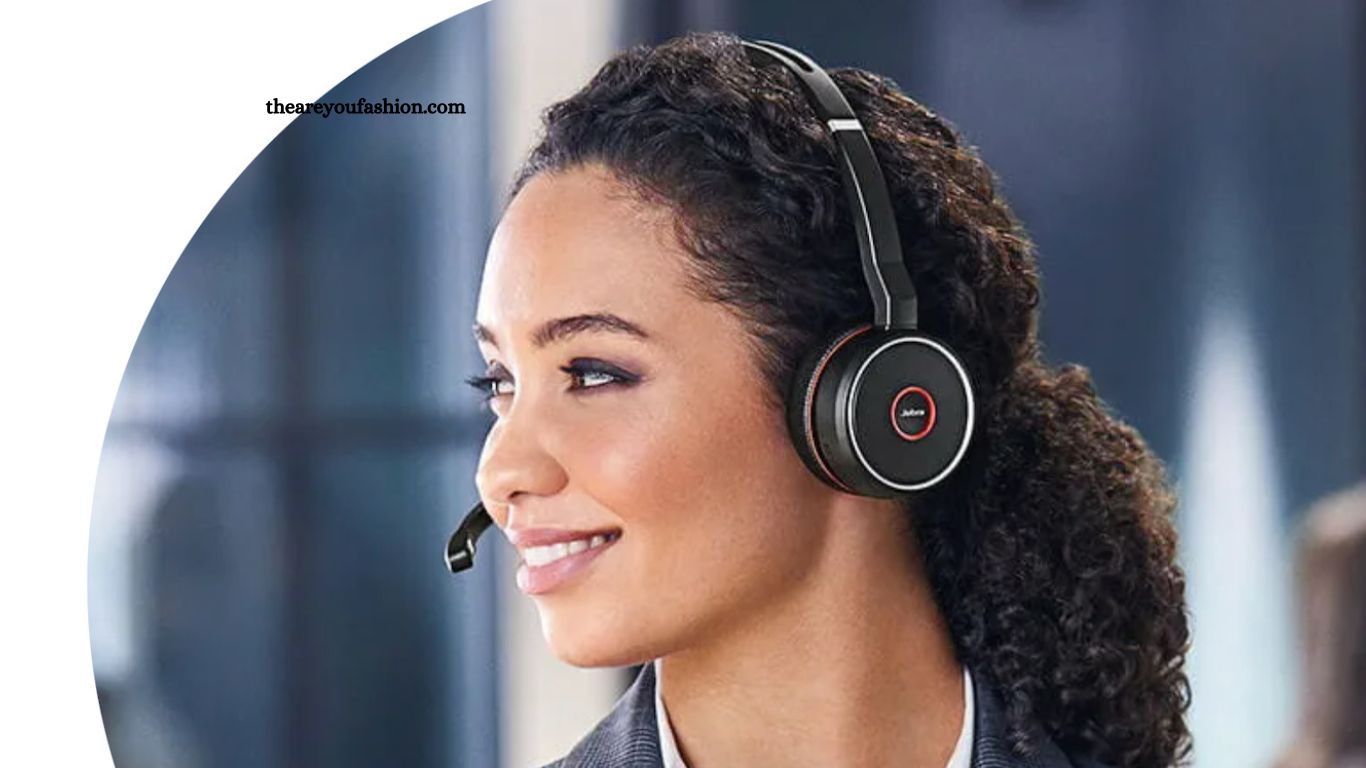
VoIP headsets enhance communication by delivering clear, high-quality audio for calls and virtual meetings. They are ideal for office environments, ensuring professional, uninterrupted conversations. To get the best experience, you can optimize your current headset or invest in a new one. Simple adjustments, such as tweaking volume settings, checking your internet connection, or updating device configurations, can significantly improve sound clarity.
Using these strategies, you can enjoy crystal-clear audio, reduce background noise, and make every conversation more effective. Whether for conference calls, team meetings, or client discussions, following these practical tips ensures your VoIP headset performs at its peak, helping you communicate efficiently and professionally in any business setting.
Upgrade to a Better VoIP Headset
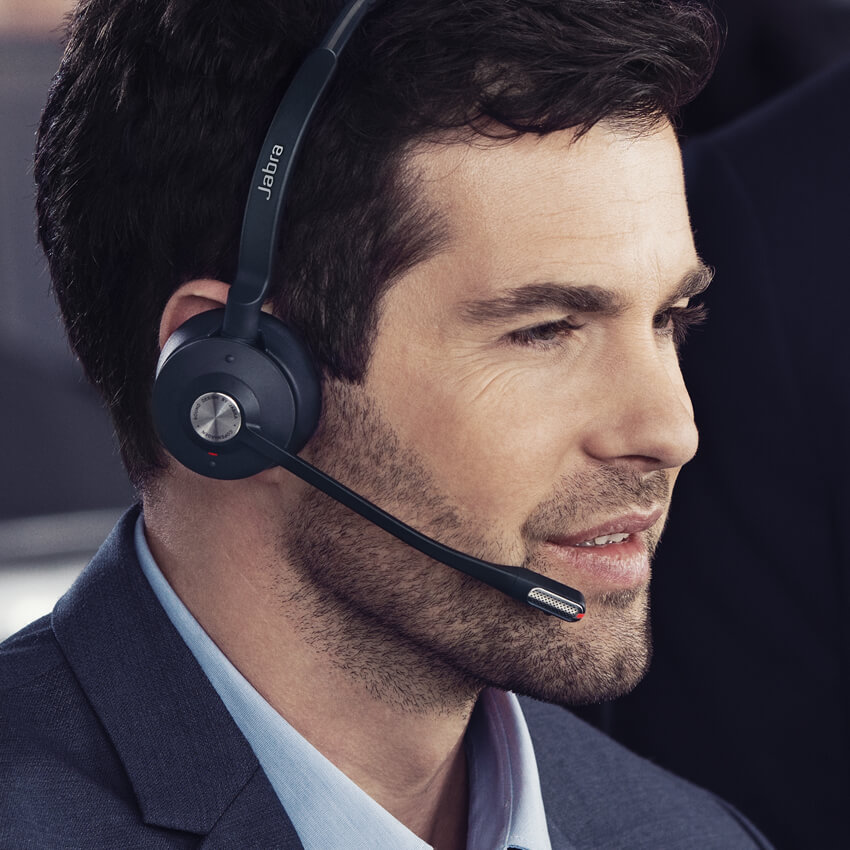
While VoIP headsets are generally affordable, investing in a higher-quality model can dramatically improve your experience. Cheaper options often compromise on sound clarity and comfort, affecting call quality. Spending a bit more on a reliable, advanced headset ensures crystal-clear audio, better durability, and enhanced features.
A small investment in a premium device can resolve most common issues, making calls smoother and more professional. Whether for daily office use or virtual meetings, upgrading your headset is a simple way to enjoy better performance without breaking the budget. High-quality VoIP headsets are accessible and provide excellent value for their price.
Read More: Unforgettable European Destinations You Must Visit
Reduce Bandwidth Usage for Clearer Calls
Bandwidth significantly impacts the quality of your VoIP calls. Running multiple apps or downloading large files can slow your connection and cause poor audio. To improve call clarity, limit unnecessary programs and background processes. On Windows, use Task Manager, and on Mac, access Activity Monitor to identify bandwidth-heavy applications.
Close or restrict these programs to free up resources for your calls. Managing bandwidth efficiently ensures smoother, clearer conversations and enhances overall headset performance. This simple adjustment can make a noticeable difference in audio quality without requiring extensive technical knowledge.
Optimize Sound Settings for Better Audio
Enhance your VoIP headset experience by adjusting sound settings and keeping software up to date. Changing volume levels, updating drivers, or installing the latest headset software can significantly improve audio clarity.
Using a USB headset can also enhance sound quality, offering easy connectivity and features like noise reduction for clearer calls. Additionally, tools that detect background silence help minimize distractions, delivering crisp, professional audio. By fine-tuning these settings, you ensure every call is smooth, noise-free, and highly effective, making your communication more efficient and enjoyable.
Ensure a Strong Internet Connection
A stable internet connection is crucial for clear VoIP calls. Slow or unstable networks can cause distorted or inaudible audio. Use free online tools to test your broadband speed and identify issues. Checking your system’s network settings or consulting your IT technician can also help.
In some cases, upgrading your service provider or optimizing your router settings improves connection stability. By maintaining a fast, reliable network, you ensure smooth, high-quality audio during calls, meetings, and virtual collaborations, making every conversation crisp and professional.
Minimize Interference for Clear Audio
External interference can significantly impact the sound quality of your VoIP headset. Devices with high frequencies, background noise, or crowded environments can distort audio. To ensure crisp, professional calls, choose a quiet location and limit nearby electronic distractions. Aviation-style headsets, designed to block external noise, are also an excellent option for noise-free communication.
By reducing interference, you enhance clarity, making every call more effective and enjoyable. Maintaining a controlled environment is a simple yet powerful way to improve your headset’s performance and ensure seamless, high-quality conversations.
Frequently Asked Questions
What is a VoIP headset?
A VoIP headset is a device designed for internet-based calls, offering clear audio and hands-free communication.
How can I improve VoIP headset sound quality?
Optimize volume, update software, reduce background apps, and minimize interference for clearer audio during calls.
Do USB headsets work better than wireless?
USB headsets often provide more stable audio, lower latency, and reliable connectivity compared to wireless models.
How does bandwidth affect VoIP calls?
High bandwidth usage can slow your connection, causing choppy or distorted audio; managing apps improves call quality.
Can upgrading my headset make a difference?
Yes, investing in a high-quality VoIP headset enhances sound clarity, comfort, and noise reduction capabilities.
How do I check if my internet affects calls?
Use online speed tests or check network settings to ensure your connection supports smooth, high-quality calls.
How can I reduce background interference?
Choose a quiet location, limit nearby electronics, or use noise-canceling headsets to minimize external audio disruptions.
Conclusion
Optimizing your VoIP headset can transform your communication experience, delivering clear, professional audio for calls and meetings. By investing in a quality device, managing bandwidth, adjusting sound settings, ensuring a strong internet connection, and minimizing interference, you can enjoy seamless conversations every time. These simple strategies enhance clarity, reduce distractions, and make virtual communication more efficient and effective.
