
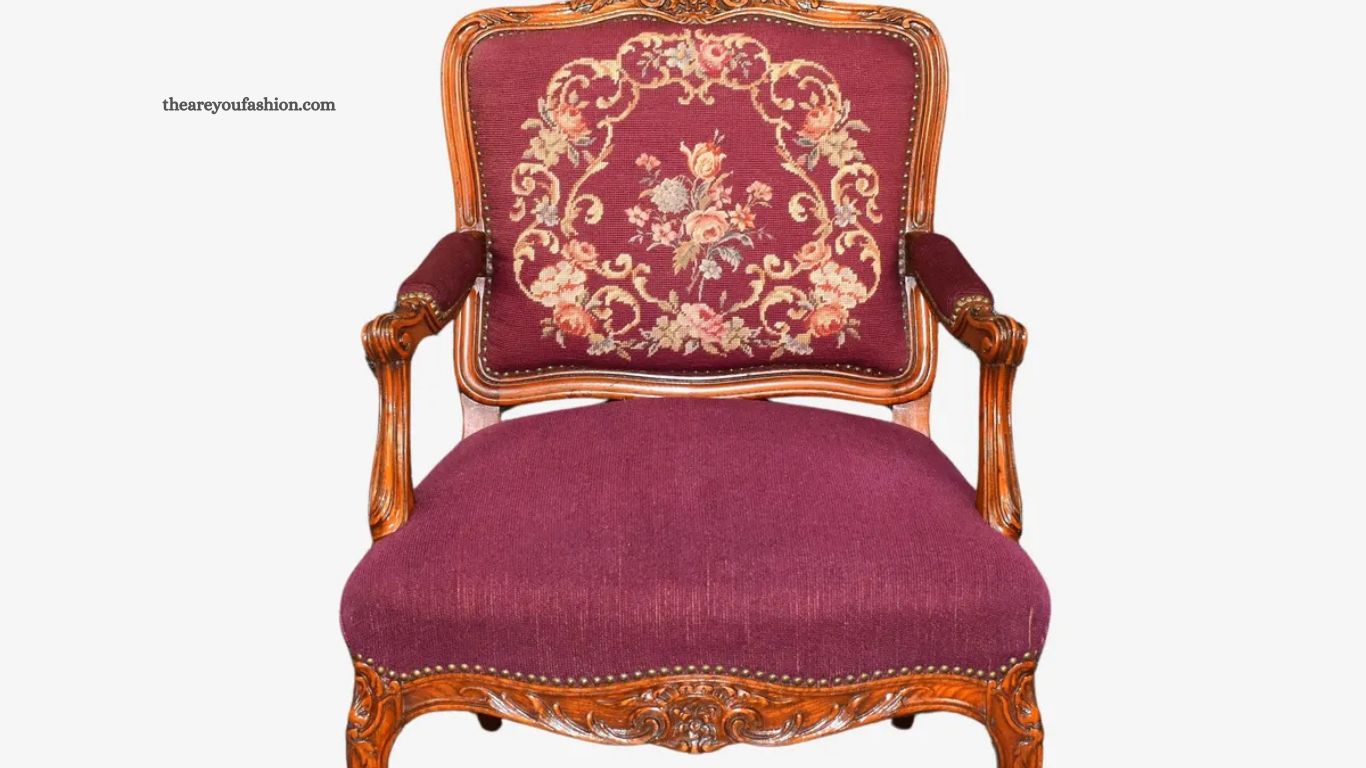
Catherine the Great of Russia left an enduring mark on art, architecture, and design, shaping the cultural identity of her era. Renowned for her intelligence and refined taste, she transformed Russia into a center of European artistic influence. Among her many contributions, her impact on furniture and interior design remains especially remarkable.
Catherine’s style blended European elegance with exceptional Russian craftsmanship, creating interiors that balanced grandeur and sophistication. The furniture from her reign showcases intricate details, luxurious materials, and timeless design, reflecting her vision of cultural refinement. Today, her legacy continues to inspire historians, designers, and collectors, highlighting how Catherine’s aesthetic choices helped define an era of imperial elegance and artistic excellence.
The Historical Context of Catherine the Great’s Era
Catherine II ruled Russia from 1762 to 1796, a period of rapid modernization and Western European influence. Inspired by Enlightenment thinkers like Voltaire and Diderot, she championed the arts and sought to elevate Russia’s cultural standing.
Catherine aimed to rival France and Italy, using her palaces as stages for imperial ambition. Architecture, painting, decorative arts, and especially furniture became instruments to display sophistication, power, and elegance. Her vision blended European refinement with Russian craftsmanship, leaving a legacy that defined the aesthetic of her era and continues to influence design today.
Read More: Guy Willison: The Visionary Craftsman Shaping Brough Motorcycles
European Influence on Russian Decorative Arts
Catherine the Great embraced French Neoclassicism, the dominant European style of the late 18th century, importing furniture, artisans, and designers from France, England, and Germany to elevate her court’s artistry.
Her favored aesthetic emphasized symmetry and order inspired by classical Greek and Roman architecture, luxurious materials like mahogany, walnut, and gilt bronze, and intricate details such as marquetry, gold leaf, and enamel inlays. At the same time, she encouraged Russian craftsmen to adopt and reinterpret these techniques, creating a distinctive blend of Western elegance and Russian craftsmanship that defined the empire’s decorative arts and left a lasting legacy.
The Role of Furniture in Catherine’s Palaces
Catherine’s palaces including the Winter Palace, Tsarskoye Selo, and Pavlovsk Palace were adorned with exquisite furniture reflecting both imperial authority and her refined taste.
Winter Palace: Imperial Grandeur
Designed to impress diplomats and nobles, the Winter Palace featured gilded chairs, carved consoles, and ornate chandeliers. French and Italian designers, including Charles Cameron and Jean-Baptiste Vallin de la Mothe, shaped its opulent Neoclassical interiors.
Tsarskoye Selo: Personal Sophistication
Catherine’s private residence showcased her intimate, intellectual side. The restored Amber Room exemplified masterful craftsmanship, while lighter-toned desks, sofas, and cabinets reflected elegance and personal comfort.
Pavlovsk Palace: Legacy of Innovation
Built for her son Paul I, Pavlovsk incorporated furniture inspired by Catherine’s vision. Its interiors blended European geometry with Russian artistry, influencing 19th-century Russian design.
Materials and Craftsmanship
Catherine’s furniture showcased the finest artisanship of her era, combining beauty with technical mastery. She encouraged Russian craftsmen to adopt advanced European techniques, including marquetry, creating intricate patterns from contrasting woods; ormolu, gilded bronze mounts for decoration and durability;
Veneering, applying polished wood layers over structural frames; and hand carving, featuring acanthus leaves, mythological motifs, and imperial symbols. These luxurious methods not only highlighted exceptional skill but also reflected Russia’s cultural sophistication and artistic ambition under Catherine’s enlightened rule, leaving a legacy of elegance and innovation in decorative arts.
Collaboration with European Masters
During Catherine’s reign, her court attracted leading European artists and furniture makers who directly shaped Russia’s decorative arts. David Roentgen, the German cabinetmaker, impressed with mechanical furniture featuring secret drawers and moving compartments.
Charles Cameron, a Scottish architect, introduced refined Neoclassical interiors at Tsarskoye Selo and Pavlovsk Palace. Jean-Henri Riesener, the renowned French ébéniste, influenced Russian furniture makers with his elegant style. By integrating their expertise, Catherine elevated Russian craftsmanship and positioned her empire as a prominent center of fine furniture design in Europe.
Symbolism in Catherine the Great’s Furniture
Catherine’s furniture blended luxury with symbolic meaning. Imperial motifs like eagles, laurel wreaths, and classical gods asserted her authority, while Greek and Roman themes conveyed wisdom, power, and Enlightenment ideals.
Floral and pastoral designs reflected harmony and cultural refinement. Each palace room became a visual narrative of empire, intellect, and taste, communicating influence and elegance through design, materials, and craftsmanship rather than words.
The Enduring Influence of Catherine’s Style
Centuries later, Catherine the Great’s style continues to inspire designers and collectors worldwide. Her furniture defined Russian Neoclassicism, influencing interiors well into the 19th century. Modern reproductions are highly valued for their timeless gilded elegance, symmetry, and historical connection to the Age of Enlightenment, as well as their blend of European and Russian craftsmanship.
Museums like the Hermitage in St. Petersburg and the Catherine Palace in Pushkin preserve original pieces, allowing visitors to experience firsthand the refinement and artistic vision that shaped an era.
How Collectors Value Catherine’s Furniture Today
Authentic 18th-century furniture from Catherine the Great’s reign is rare and highly prized. Each piece offers insight into the artistry and cultural values of Imperial Russia. Collectors and historians evaluate items based on provenance, condition and restoration, and design and craftsmanship.
Major auction houses like Sotheby’s and Christie’s occasionally feature pieces from her court, often reaching six- or seven-figure prices due to their historical significance and scarcity.
Frequently Asked Questions
What defines Catherine the Great’s furniture style?
Her furniture blends European Neoclassicism with Russian craftsmanship, emphasizing symmetry, luxurious materials, and intricate detailing.
Which materials were commonly used?
Mahogany, walnut, gilt bronze, and fine veneers were widely used, often combined with marquetry, ormolu, and hand-carved ornamentation.
Who were the key European designers she collaborated with?
Notable figures include David Roentgen (Germany), Charles Cameron (Scotland), and Jean-Henri Riesener (France).
What symbolic elements appear in her furniture?
Imperial motifs, classical Greek and Roman themes, and floral or pastoral designs communicated authority, wisdom, and refinement.
Which palaces featured her most famous furniture?
The Winter Palace, Tsarskoye Selo, and Pavlovsk Palace housed her most iconic furniture collections.
How does her furniture influence modern design?
It inspires luxury decorators and collectors, influencing Russian Neoclassical interiors and modern reproductions worldwide.
Where can I see original pieces today?
Museums such as the Hermitage in St. Petersburg and Catherine Palace in Pushkin display authentic pieces from her collection.
Conclusion
Catherine the Great’s furniture remains a symbol of imperial elegance, artistic innovation, and cultural ambition. By blending European Neoclassicism with Russian craftsmanship, she created interiors that communicated power, sophistication, and refinement. Today, her legacy continues to inspire designers, collectors, and historians, while museums preserve the exquisite pieces that once graced her palaces.
