


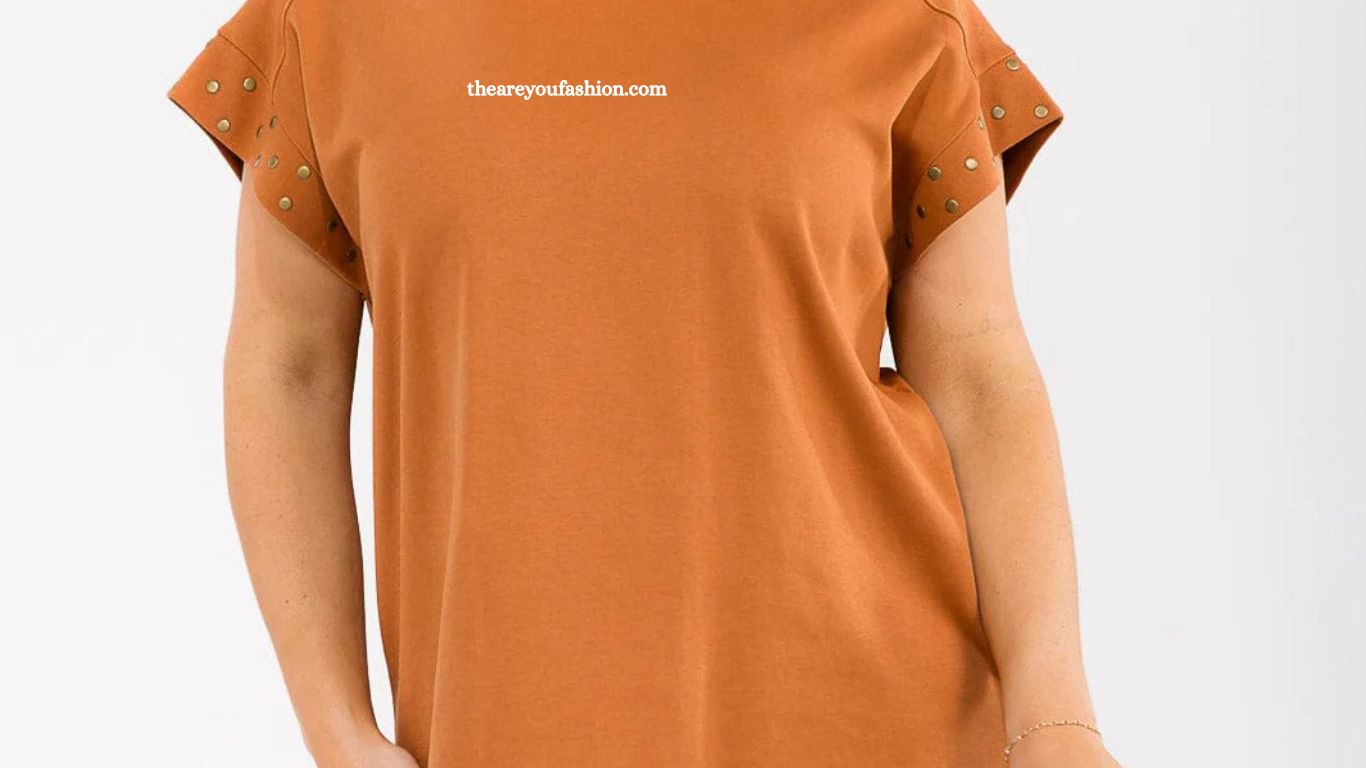
T-shirts remain a core revenue driver for any apparel retailer, anchoring inventory, elevating outfit styling, and strengthening brand loyalty. Yet sourcing dependable plus-size basics creates real operational and financial strain for boutiques and e-commerce teams. Vendors that simply scale up standard patterns often deliver inconsistent fits, triggering costly size-related returns and customer dissatisfaction.
Retailers searching for wholesale plus-size T-shirts ultimately need a partner who reduces the hidden expenses tied to poor fit accuracy and fluctuating quality. These hidden costs—extra labor, higher logistics demands, and lower sell-through—quickly exceed the price of the garment itself.
Technical Pattern Grading Drives True Fit Consistency
The real difference between mass-market plus-size T-shirts and high-quality, high-retention garments comes down to technical pattern grading. Many manufacturers rely on basic “flat” grading, simply enlarging a smaller pattern without accounting for the distinct proportions of plus-size bodies.
This oversight fuels most fit complaints and size-related returns. Retailers who choose manufacturers skilled in advanced grading gain a major edge through consistent sizing, stronger inventory reliability, and lower operational costs.
Read More: Chic Tote Bags to Enhance Professional Women’s Work Style
Expert Grading Principles for a True Plus-Size Fit
Precise grading for sizes 1X and above defines whether a plus-size T-shirt feels supportive or poorly proportioned. Key adjustments include:
- Increased Body Length
A fuller bust needs added length for proper coverage and smooth drape, so the pattern extends the body length rather than scaling it evenly. - Enhanced Bust Shaping
Even basic tees require advanced shaping. Deeper and longer darts—or equivalent contouring—create a smoother silhouette and prevent the boxy look common in generic grading. - Refined Shoulder Width
As width grows, shoulders shouldn’t scale up equally. Slightly narrower shoulders keep the garment from slipping, improve sleeve placement, and maintain balanced proportions. - Improved Armhole Curves
More scooped armholes increase comfort around the bust and underarm, offering mobility without sacrificing coverage.
By outlining these precise grading methods, a wholesale supplier proves real technical expertise—far beyond competitors who offer generic size scaling without documented fit engineering.
Table 1: Plus-Size T-Shirt Grading—Basic vs. Expert Fit
| Grading Element | Basic (Flat) Grading | Dear-Lover Expert Plus-Size Grading (1X and Above) |
|---|---|---|
| Body Length | Standard, often leading to insufficient bust coverage. | Longer body length to ensure coverage and accommodate the larger chest circumference. |
| Bust/Darting | Simple, shallow increase; darts often incorrectly positioned. | Deeper and longer dart structures for superior shaping and fit. |
| Shoulder Width | Widens proportionally with the bust/hip circumference. | Narrower shoulder measurement, ensuring proper armhole set and eliminating drooping. |
| Armhole Curve | Uniformly scaled, potentially leading to tightness or gaping. | Specifically scooped-out curves allowing for greater movement and comfort. |
Inventory Strategy for Maximizing Plus-Size T-Shirt Profit
Strong apparel profitability relies on stocking high-demand items while keeping logistics smooth and cost-efficient. Retailers seeking wholesale plus-size T-shirts want partners who simplify market entry, support fast trend adoption, and maintain consistent product flow.
Capitalizing on Plus-Size T-Shirt Trends
Strong sales come from pairing staple basics with trend-driven colors and styles. Core shades like Classic White, Jet Black, Navy, and Muted Gray deliver year-round reliability and should remain consistently stocked.
Seasonal hues add the real revenue lift. Spring and summer collections perform best with Soft Pastels—light pinks, sage greens, and lavenders—while fall and winter demand deeper tones such as Maroon, Earth Brown, and Olive.
Targeting long-tail search terms like “wholesale plus size graphic tees” or “eco-friendly T-shirts low MOQ” helps retailers reach niche, high-intent shoppers and boost conversions.
Table 2: Dear-Lover—Your B2B Wholesale Advantage
| Retailer Pain Point | Dear-Lover Solution | Business Benefit |
|---|---|---|
| High Startup Costs/Inventory Risk | Low Minimum Orders (MOQs) and Dropshipping. | Test new trends and manage cash flow with minimal risk. |
| Quality and Chemical Safety Concerns | High-Capacity Factory with established QC Systems & OEKO-TEX certified options. | Guaranteed product safety, compliance, and reduced defect rates. |
| Slow Lead Times & Stockouts | Worldwide Quick Delivery and Up-To-Date Stock Levels. | Maintain continuous supply and react instantly to fast-moving fashion trends. |
| Inconsistent Plus Size Fit | Technical Pattern Grading (Body Length, Darting, Armholes). | Significantly reduces size-related returns, boosting customer loyalty and profit margins. |
Frequently Asked Questions
What makes a high-quality plus-size T-shirt different from standard sizing?
Superior plus-size tees use advanced pattern grading for better fit, comfort, and overall proportion.
Why do plus-size T-shirts often have sizing inconsistencies?
Many manufacturers simply scale up smaller patterns, causing poor fit and higher return rates.
What colors should retailers stock for reliable year-round sales?
Core shades like white, black, navy, and gray consistently deliver strong performance.
Which seasonal colors boost plus-size T-shirt sales?
Pastels thrive in spring and summer, while deeper tones like maroon and olive excel in fall and winter.
How can retailers reduce size-related returns?
Partnering with vendors that use expert grading and documented fit standards significantly improves consistency.
Are wholesale plus-size graphic tees available in low MOQs?
Yes, many suppliers offer low-MOQ options for graphic, printed, and specialty plus-size tees.
How can retailers attract more high-intent shoppers?
Targeting long-tail keywords—such as eco-friendly plus-size tees or low-MOQ options—helps capture niche demand.
Conclusion
Building a profitable plus-size T-shirt assortment requires more than sourcing basic wholesale inventory—it demands partnering with manufacturers who understand advanced grading, consistent fit, and trend-responsive production. By prioritizing technical accuracy, stocking strategic core and seasonal colors, and targeting high-intent niche searches, retailers gain stronger sell-through, fewer returns, and a more loyal customer base. The right wholesale partner transforms plus-size apparel from a challenge into a long-term growth opportunity.