
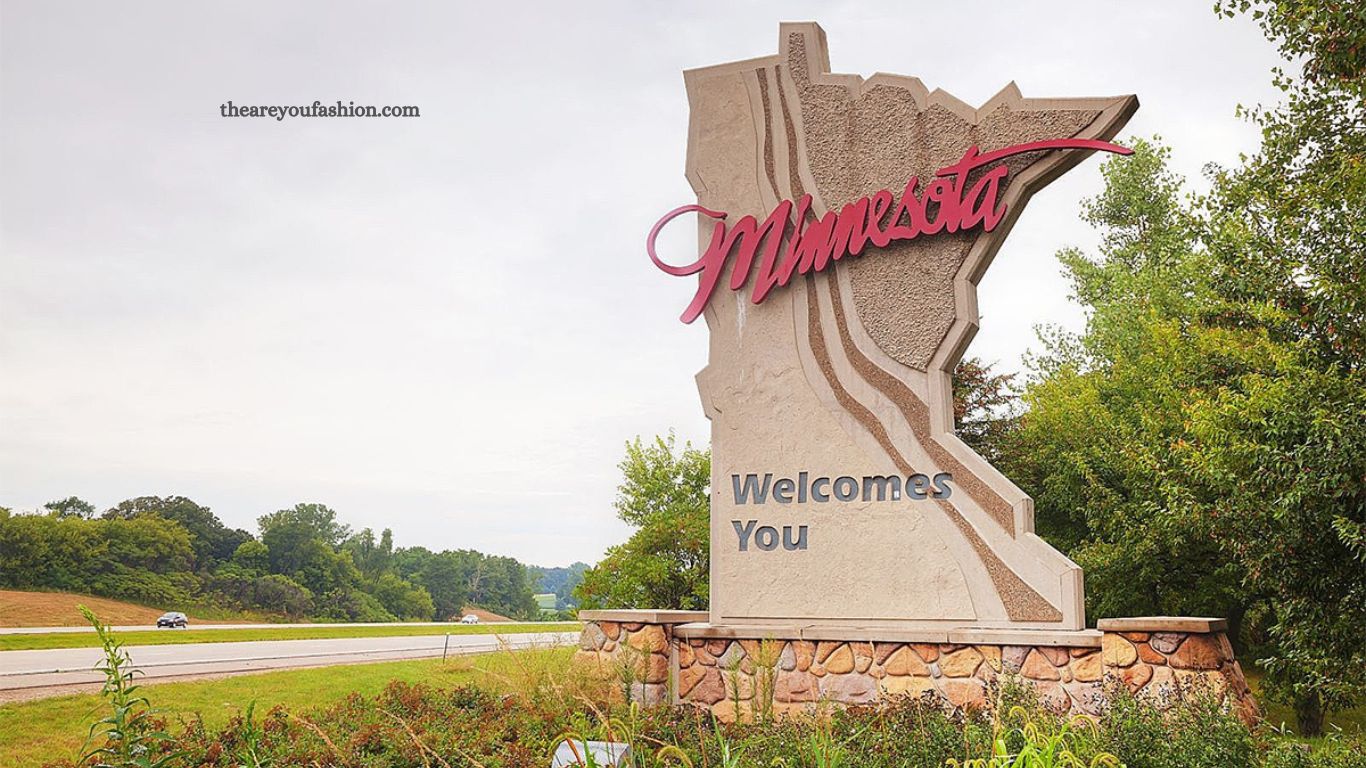
Minnesota, the Land of 10,000 Lakes, offers stunning natural beauty and a thriving, stable economy. True to its nickname, the state boasts thousands of lakes, making it a paradise for outdoor enthusiasts. Home to just under 6 million people, Minnesota is steadily growing, attracting new residents with its quality of life, career opportunities, and vibrant communities.
Relocating to a new state is a major life decision that requires careful planning. From understanding the climate to exploring neighborhoods and local culture, knowing what to expect can make your transition smoother. This guide highlights key insights and practical tips for anyone preparing to move to Minnesota.
Minnesotans Are City Dwellers
Minnesota’s Twin Cities Minneapolis and Saint Paul form the third-largest metropolitan area in the Midwest, straddling the Mississippi River. Beyond being the state’s political, economic, and cultural hub, the Twin Cities are home to more than 60% of Minnesota’s population. Overall, urban areas house around 4 million residents, accounting for over 73% of the state’s population, while the rest live across smaller towns and rural regions.
If you’re moving to Minnesota, choosing your location carefully is crucial. Living near the Twin Cities provides easier access to top jobs, cultural amenities, and essential resources, making it an important factor in your relocation planning.
Read More: Chandigarh’s Open Hand Monument: Icon of the City’s Spirit
Minnesota’s Outdoors Are Exceptional
Minnesota offers stunning natural landscapes typical of the Midwest, with a third of the state blanketed in lush forests that come alive in autumn. Locals embrace the outdoors year-round, enjoying lakes, trails, and recreational activities, especially during warmer months. The state boasts 72 parks and forests, extensive biking and hiking trails, and the 235-mile Superior Hiking Trail the longest in Minnesota.
Winter brings its own adventures, with frozen lakes and heavy snowfall supporting skating, skiing, snowmobiling, and snowshoeing. Whether you love summer lakes or winter snow, Minnesota provides abundant opportunities for outdoor enthusiasts throughout the year.
Minnesota Winters Are Harsh
Minnesota experiences all four seasons, but its winters are especially severe. Average temperatures often range between 15°F and 25°F, with northern regions feeling even colder. Heavy snowfalls and blizzards are common, making winter a defining feature of life in the state. Summers can be hot and humid, but the cold is what newcomers should be most prepared for when moving to Minnesota.
Minnesota’s Diverse Culture
Minnesota is home to a rich mix of cultures shaped by immigration from Latin America, South Asia, and East Africa. This diversity influences the state’s food, entertainment, and arts scenes, creating vibrant communities. Local festivals and cultural events showcase these traditions, making Minnesota a dynamic and inclusive place to live.
Minnesota Offers Excellent Education
Minnesota is known for its high educational standards, with public and private schools consistently performing among the best in the nation. The state is home to top colleges and universities, including the University of Minnesota, a leading institution in the Midwest. Over half of adults aged 25 and older hold an associate degree or higher, reflecting the state’s strong emphasis on education and lifelong learning.
Minnesota Is a Progressive State
Minnesota is known for its socially progressive atmosphere, reflected in both its friendly communities and forward-thinking policies. For example, adults 21 and older can legally purchase and consume cannabis on private property, with medicinal cannabis also available through the state program.
New residents can access guidance through resources like Veriheal. While the state’s progressive policies may appeal to many, it’s important to consider how they align with your personal views when relocating.
Frequently Asked Questions
What is the cost of living in Minnesota?
Minnesota’s cost of living is slightly above the national average, especially in the Twin Cities. Housing, utilities, and healthcare are the main factors, but wages are generally competitive, helping balance expenses.
What’s the weather like year-round?
Minnesota experiences all four seasons. Summers can be hot and humid, while winters are cold, with temperatures often between 15°F–25°F and heavy snowfall, particularly in northern areas.
Where do most Minnesotans live?
Over 60% of the population resides in the Twin Cities Minneapolis and Saint Paul making urban areas the hub for jobs, culture, and amenities.
Is Minnesota family-friendly?
Yes. The state offers excellent schools, safe communities, abundant parks, and outdoor activities year-round, making it ideal for families.
What outdoor activities are popular?
Minnesota offers lakes, forests, hiking and biking trails, and 72 state and national parks. Winter activities include skiing, skating, snowmobiling, and snowshoeing.
How diverse is Minnesota?
Minnesota is culturally diverse, with communities from Latin America, South Asia, and East Africa. This diversity enriches local cuisine, arts, and festivals.
Is Minnesota politically and socially progressive?
Yes. The state embraces progressive policies, such as cannabis legalization for adults 21+, while maintaining a friendly, inclusive atmosphere.
Conclusion
Moving to Minnesota offers a unique blend of natural beauty, vibrant cities, and a high quality of life. From its scenic lakes and forests to excellent schools, diverse communities, and progressive culture, the state provides opportunities for work, recreation, and personal growth. While the cold winters may be challenging, the friendly residents, cultural richness, and abundant outdoor activities make Minnesota an appealing destination for newcomers.
