
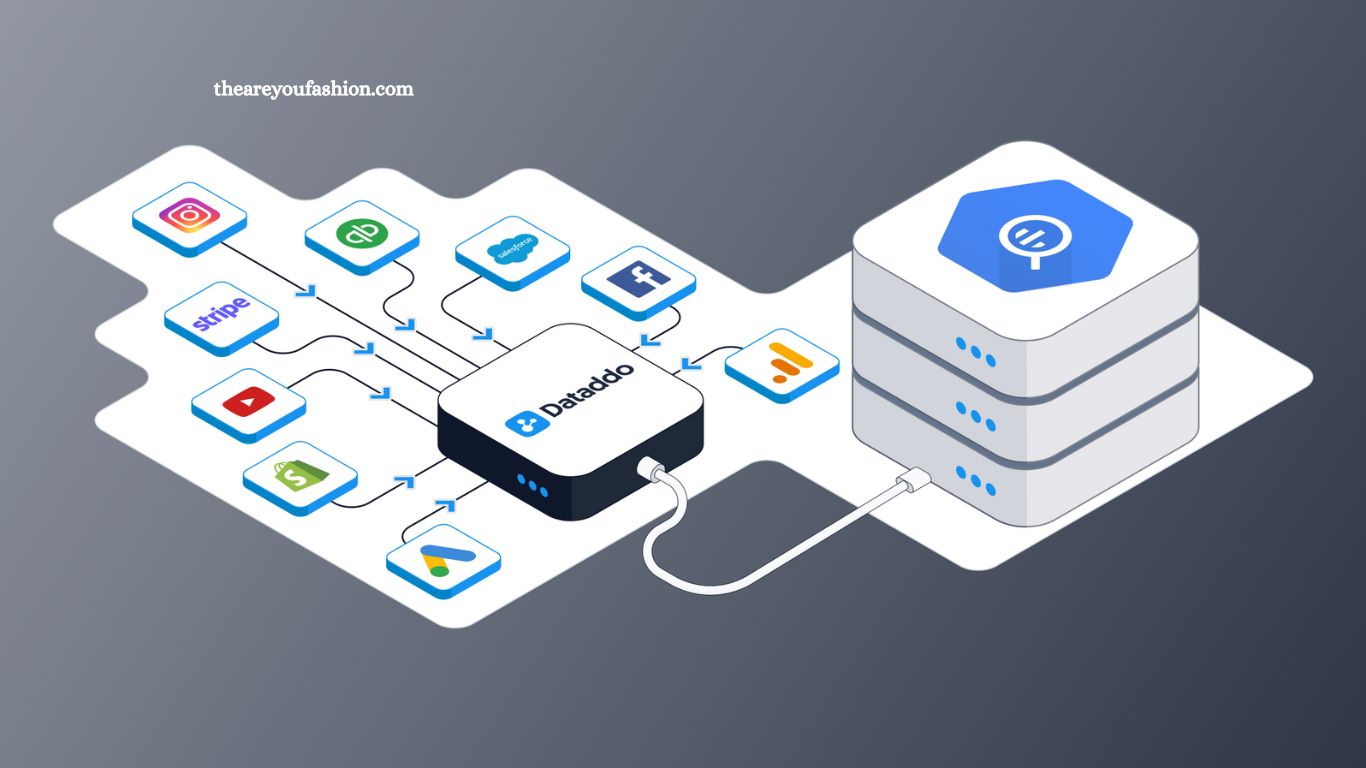
Businesses increasingly rely on fast, efficient solutions to analyze massive datasets. Google BigQuery, part of Google Cloud Platform (GCP), provides a powerful, serverless, and scalable platform for data analytics. It streamlines querying, processing, and extracting insights while remaining cost-effective. BigQuery supports data warehousing, real-time analytics, machine learning, and business intelligence, making it a versatile tool for organizations of all sizes.
Its robust features empower teams to make informed decisions quickly and effectively. This guide introduces BigQuery, highlighting its key capabilities, benefits, and practical applications, showcasing how it transforms data analytics into a faster, smarter, and more impactful process for modern businesses.
Defining BigQuery
Google BigQuery, part of Google Cloud, is a cloud-based data warehouse and analytics platform built to manage large-scale datasets. It allows businesses and developers to analyze massive data efficiently using SQL-like queries. As a fully managed, serverless platform, BigQuery handles infrastructure, scaling, and maintenance automatically, enabling users to focus entirely on extracting insights and making data-driven decisions.
Read More: Humbot Review: Effortlessly Evade AI Detection
Key Features and Advantages
BigQuery offers powerful features that make it a leading data analytics platform:
- Scalability: Designed to handle massive datasets, BigQuery stores and queries petabytes of data effortlessly, automatically scaling resources to maintain optimal performance.
- Speed: Leveraging Google’s robust infrastructure, BigQuery processes large datasets in seconds, enabling rapid data analysis.
- Cost-Effective Pricing: A pay-as-you-go model charges based on data processed, ensuring organizations only pay for the resources they use.
- Standard SQL Support: Users can write queries using familiar SQL, simplifying data analysis without complex transformations.
- Real-Time Analytics: Integration with Google Cloud services allows real-time insights from streaming data for applications requiring immediate decisions.
How BigQuery Works
BigQuery uses a distributed architecture, storing data in tables within datasets. Users can access it via a web interface, command-line tool, or API. Queries run across distributed resources, with results aggregated and returned efficiently. The platform automatically manages data partitioning and organization, optimizing performance and ensuring fast, reliable query execution.
Use Cases of BigQuery
BigQuery supports a wide range of applications across industries:
- Business Intelligence: Enables real-time insights from operational data to support strategic decisions.
- Predictive Analytics: Scalable and fast, BigQuery helps forecast trends and anticipate customer behavior.
- Machine Learning: Integrates with Google Cloud AI Platform to train and deploy models on large datasets.
- Real-Time Analytics: Processes streaming data instantly, providing up-to-the-minute insights for critical applications.
- Data Warehousing: Acts as a fully managed, centralized repository for structured and semi-structured data, simplifying storage and querying.
Benefits of BigQuery
Adopting Google BigQuery provides businesses with several key advantages:
- Speed and Performance: Distributed architecture and automatic scaling deliver fast query results.
- Cost-Effectiveness: Serverless, pay-as-you-go pricing ensures predictable costs and efficient resource use.
- Data Security: Advanced encryption and access controls safeguard sensitive information.
- Simplified Infrastructure: Fully managed platform eliminates the need for manual provisioning and maintenance.
- Seamless Integration: Works smoothly with other Google Cloud services, enabling a unified, cloud-based analytics ecosystem.
Real-Life Applications of BigQuery
BigQuery’s versatility serves diverse industries and applications:
- E-commerce: Enables real-time analytics, inventory management, and personalized marketing for online retailers.
- Healthcare: Supports patient data analysis, medical research, and predictive modeling.
- Gaming: Analyzes player behavior, optimizes game performance, and tracks in-game events.
- Finance: Powers fraud detection, risk assessment, and portfolio analysis.
- Advertising & Marketing: Facilitates customer segmentation, campaign performance tracking, and targeted advertising strategies.
Getting Started with BigQuery
Organizations can quickly begin leveraging BigQuery with a few simple steps:
- Create a GCP Account: Sign up on Google Cloud Platform to access BigQuery.
- Set Up a Project: Organize resources and data by creating a GCP project.
- Create and Load Datasets: Structure data into datasets and load via file uploads, streaming, or data transfer services.
- Run Queries: Use the BigQuery Console or API to write SQL queries and analyze data.
- Monitor and Optimize: Track query performance and resource usage to improve efficiency and manage costs.
Frequently Asked Questions
What is BigQuery?
BigQuery is a fully managed, serverless data warehouse and analytics platform by Google Cloud that handles large-scale datasets efficiently.
How does BigQuery handle large datasets?
It uses a distributed architecture with automatic scaling to process massive amounts of data quickly.
Is BigQuery cost-effective?
Yes, it follows a pay-as-you-go pricing model, charging based on data processed.
Can I use SQL with BigQuery?
Absolutely. BigQuery supports standard SQL queries for easy data analysis.
Does BigQuery support real-time analytics?
Yes, it can process streaming data for immediate insights.
How secure is BigQuery?
It provides encryption, access controls, and compliance with major security standards.
Which industries use BigQuery?
E-commerce, healthcare, finance, gaming, and marketing are common users leveraging its analytics capabilities.
Conclusion
Google BigQuery empowers businesses to analyze massive datasets quickly, efficiently, and cost-effectively. Its serverless, fully managed architecture eliminates infrastructure concerns, while robust features like real-time analytics, machine learning integration, and standard SQL support make it versatile across industries. From e-commerce and healthcare to finance and marketing, organizations can leverage BigQuery to gain actionable insights, optimize operations, and make data-driven decisions.
