



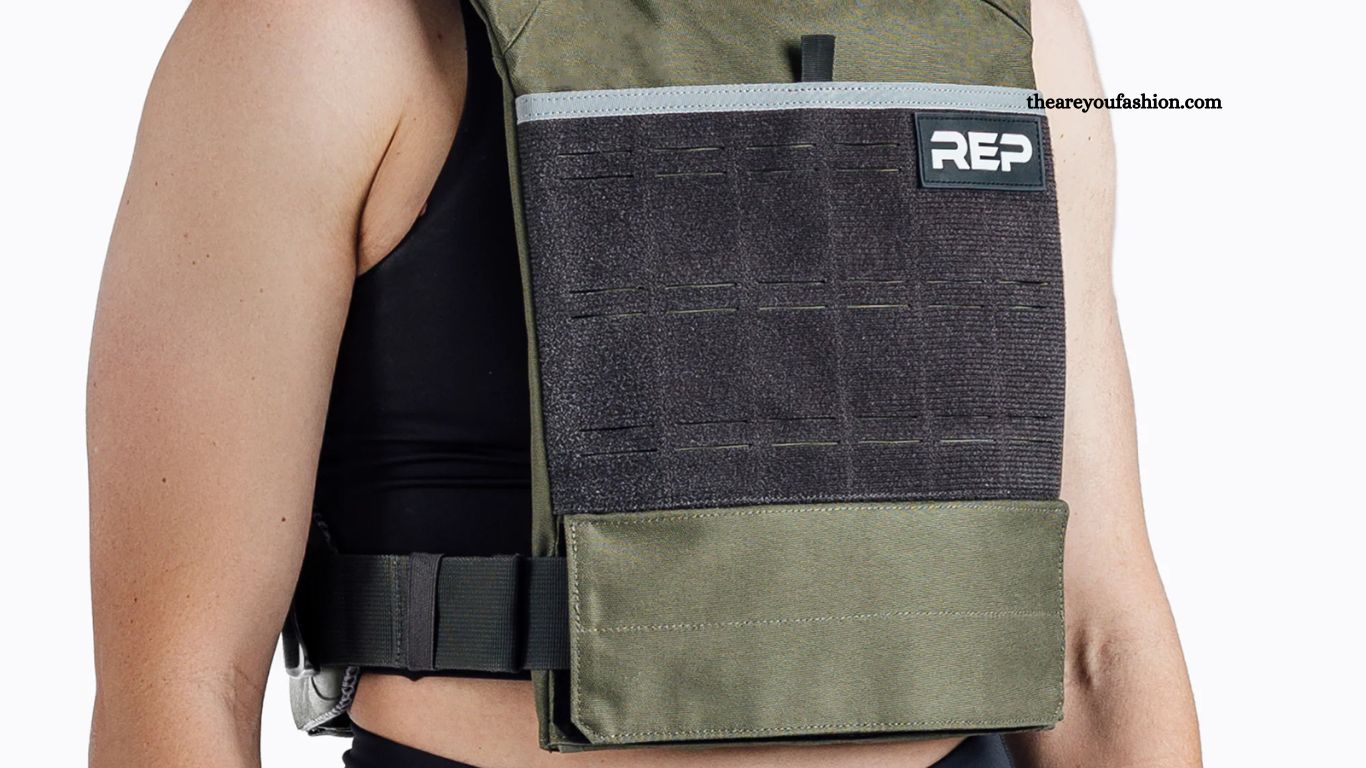
CrossFit challenges athletes to push limits through high-intensity, functional training—from box jumps to Olympic lifts. Weighted vests, once mainly used in military workouts, are now common in CrossFit boxes worldwide. They help boost performance, build endurance, and prepare for benchmark WODs like Murph.
This guide examines the benefits of weighted vests in CrossFit and offers tips for using them safely to maximize your WOD results.
Why Weighted Vests Are Essential in CrossFit
CrossFit focuses on functional fitness that prepares athletes for real-world physical demands. Weighted vests enhance this approach by adding resistance to dynamic, compound movements rather than isolating muscles with machines.
Key benefits of using weighted vests include:
- Boosted intensity: Push-ups, pull-ups, and air squats become more challenging.
- Improved conditioning: Running, rowing, and burpees with added weight enhance aerobic and anaerobic capacity.
- Functional overload: Even weight distribution trains the body in realistic, real-world scenarios.
- Mental toughness: Performing WODs under extra load builds resilience and grit, a CrossFit hallmark.
Consistent use transforms a weighted vest from simple gear into a training partner that drives growth and adaptation.
Read More: Stylish Ways Grooms Add Color to Their Wedding Look
The Murph Workout and Weighted Vests
No discussion of weighted vests in CrossFit is complete without Murph, the iconic Hero WOD honoring Navy Lieutenant Michael Murphy. Often performed on Memorial Day, it includes:
- 1-mile run
- 100 pull-ups
- 200 push-ups
- 300 air squats
- 1-mile run
Traditionally, men wear a 20-pound vest and women a 14-pound vest.
Murph is physically demanding and symbolizes CrossFit’s values of perseverance, sacrifice, and community. Regular WODs with a weighted vest help athletes build stamina, condition the body for extended workloads, and develop the mental discipline needed to conquer this legendary challenge.
Benefits of Weighted Vests in Functional Training
Weighted vests aren’t just for Murph they enhance a wide range of functional training movements. Key benefits include:
- Increased metabolic demand: Adding 10–20 pounds raises calorie burn, making WODs more intense and effective.
- Improved strength endurance: Exercises like wall balls, lunges, and box step-ups become more challenging, helping muscles adapt to sustained effort.
- Enhanced running performance: Running with a vest boosts cardiovascular fitness and lower-body strength, making post-vest runs feel lighter and faster.
- Better bodyweight control: Pull-ups, dips, and other bodyweight movements improve as strength builds under added resistance.
- Postural engagement: Even weight distribution forces core and back muscles to stay engaged, enhancing stability and posture.
How to Incorporate Weighted Vests Into CrossFit WODs
Weighted vests can enhance nearly every part of a CrossFit workout. Effective ways to use them include:
- Warm-ups and skill work: Light jogging, mobility drills, or dynamic stretches prepare the body for intense sessions.
- Bodyweight exercises: Push-ups, pull-ups, air squats, burpees, and dips become more challenging with added weight.
- Running intervals: Sprints or long-distance runs with a vest build stamina and explosive power.
- Benchmark WODs: Hero workouts like Murph, Cindy, and Angie gain intensity and reward when done with a vest.
- MetCon circuits: Kettlebell swings, box jumps, and wall balls are more demanding when paired with a vest.
Using weighted vests across different training elements prevents stagnation and continually pushes athletic performance.
Choosing the Right Weighted Vest for CrossFit
Not all weighted vests are the same. When selecting one for CrossFit, focus on:
- Fit and comfort: Adjustable, snug design prevents bouncing during high-intensity movements.
- Weight options: Removable plates or sandbags allow load adjustments for different workouts.
- Breathability: Ventilated designs reduce overheating in longer sessions.
- Durability: Reinforced, abrasion-resistant materials withstand intense training.
- Range of motion: Ensure the vest doesn’t limit arms or shoulders, especially for pull-ups and overhead lifts.
Choosing the right vest enhances safety, performance, and overall training effectiveness.
Safety Considerations for Weighted Vest Training
Weighted vests are effective but must be used properly to avoid injury. Key safety tips include:
- Start light: Begin with 5–10 pounds before increasing load.
- Maintain proper form: Never sacrifice technique for added weight.
- Limit frequency: Overuse can lead to overtraining; balance workouts with recovery.
- Listen to your body: Sharp pain, joint discomfort, or excessive fatigue signals it’s time to scale back.
- Seek guidance: Beginners should consult a CrossFit coach for safe integration.
Using a weighted vest safely enhances performance without compromising recovery.
Programming Weighted Vests Into Your CrossFit Routine
Weighted vests can be strategically added to weekly CrossFit programming:
- Strength and skill days: Use the vest for pull-ups, dips, and core exercises.
- Conditioning days: Add it to MetCon circuits with running, burpees, or wall balls.
- Benchmark prep: Practice shortened Hero workouts to build readiness for Murph.
- Active recovery: Light walks or hikes with a vest improve endurance without high impact.
Balancing weighted vest sessions with traditional lifting and cardio ensures well-rounded fitness and performance gains.
The Mental Edge of Weighted Vest Training
CrossFit tests both mind and body, and weighted vests add a powerful psychological challenge. Carrying extra resistance pushes athletes to pace wisely, dig deeper, and maintain focus throughout a WOD.
Regular vest training builds confidence and resilience once removed, workouts feel lighter and more manageable. This mental edge translates to competitions and benchmark WODs, helping athletes perform stronger and avoid burnout.
Frequently Asked Questions
What is a weighted vest?
A weighted vest is wearable training equipment that adds resistance to bodyweight exercises, enhancing strength, endurance, and conditioning.
How much weight should I start with?
Beginners should start with 5–10 pounds and gradually increase as strength and conditioning improve.
Can weighted vests be used for all WODs?
Yes, they can be incorporated into bodyweight exercises, MetCon circuits, running, and even benchmark Hero workouts.
Are weighted vests safe?
Yes, when used correctly. Maintain proper form, start light, and avoid overuse to reduce the risk of injury.
Do weighted vests improve running performance?
Absolutely. Running with a vest builds cardiovascular endurance and strengthens lower-body muscles, making post-vest runs feel lighter and faster.
How do I choose the right vest?
Look for a snug, adjustable fit, removable weight options, breathability, durability, and unrestricted range of motion.
How often should I train with a weighted vest?
Integrate it strategically into strength, conditioning, and recovery days. Avoid daily use to prevent overtraining.
Conclusion
Weighted vests are a versatile tool that elevates CrossFit training by boosting strength, endurance, and mental resilience. From enhancing everyday WODs to preparing for challenging Hero workouts like Murph, they offer both physical and psychological benefits. Choosing the right vest, integrating it safely into your routine, and progressing gradually ensures maximum performance gains while minimizing injury risk.